DIY Pipe Leak Fix Guide
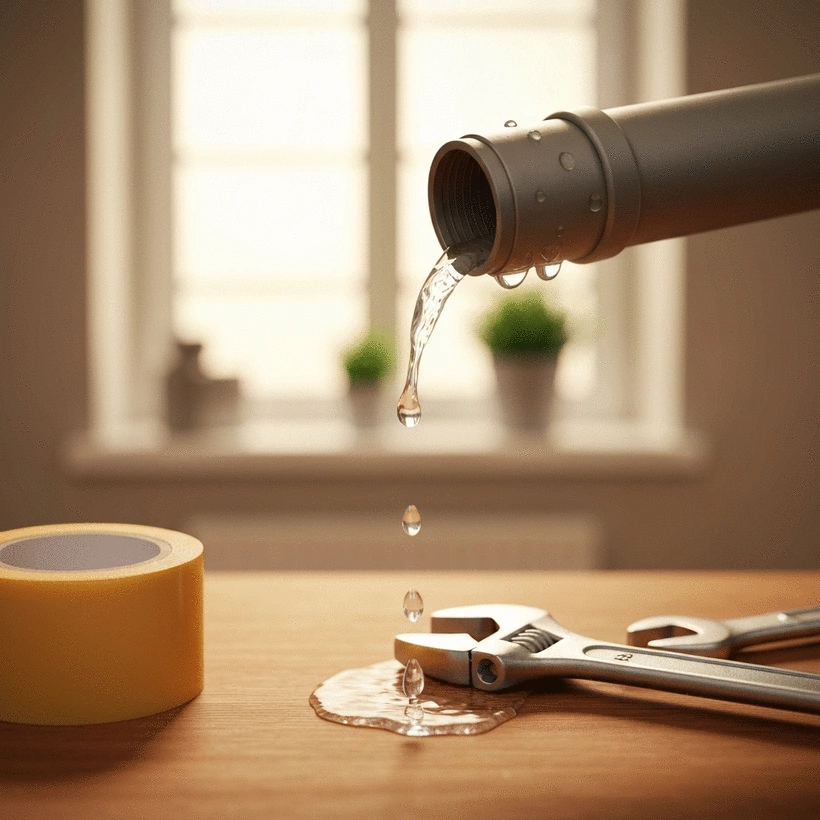
Did you know that ignoring small leaks can lead to thousands of dollars in damages? Homeowners in Richmond should stay vigilant! Understanding the signs of plumbing issues is essential for maintaining a safe and comfortable living space.
What You Will Learn
- Common indicators of pipe leaks include water stains, damp spots, and unexplained increases in water bills.
- Older homes in Richmond are more susceptible to leaks due to outdated plumbing systems and climate conditions.
- Early leak detection can prevent structural damage, mold growth, and high water bills.
- Regular inspections and proactive maintenance practices are key to preventing future leaks.
- Choosing the right pipe materials can significantly affect the durability and longevity of your plumbing system.
Key Factors and Maintenance for Richmond Homes
Understanding the common indicators of pipe leaks and implementing proactive maintenance can prevent major damage in your Richmond home. For immediate concerns, especially relating to quick pipe repair in Richmond, addressing these issues promptly is crucial.
Common Indicators of a Pipe Leak
- • Water stains on walls/ceilings
- • Increased water bills
- • Mold or mildew growth
- • Damp spots in unusual areas
Why Richmond Homes Are Prone to Leaks
- • Older plumbing systems
- • Variations in temperature
- • Susceptible plumbing materials
Impacts of Unnoticed Leaks
- • Structural damage to home
- • Mold infestations (health hazards)
- • Higher water bills
Essential Maintenance Practices
- • Inspect visible pipes regularly
- • Check for dampness under sinks
- • Evaluate water pressure
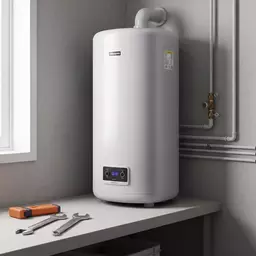
- • Flush water heater annually
Winter Plumbing Protection
- • Insulate exposed pipes
- • Drip faucets during extreme cold
- • Drain outside hoses
Pipe Material Choices
- • PVC: Corrosion resistant, not for hot water
- • PEX: Flexible, resistant to scale/chlorine
- • Copper: Durable, long-lasting, for hot/cold water
Understanding the Signs of a Leaking Pipe in Your Richmond Home
As a homeowner in Richmond, it’s crucial to stay alert to the signs of a leaking pipe. Leaks can lead to bigger issues if not caught early! Here are some common indicators that might suggest you have a leak at home.
Common Indicators of a Pipe Leak
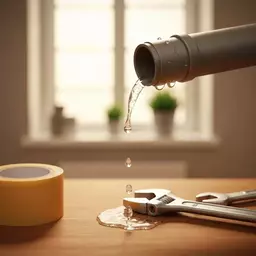
Pipe leaks aren't always obvious, but there are some telltale signs you can watch for. Here’s a list of typical indicators to keep an eye on:
- Water stains on walls or ceilings
- Damp spots in unusual areas
- Increased water bills without explanation
- Mold or mildew growth in hidden spaces
If you notice any of these signs, it’s wise to investigate further. Ignoring these issues can lead to extensive water damage and costly repairs down the line. Trust me, it's always better to address these problems sooner rather than later!
Why Richmond Homes Are Prone to Pipe Leaks
Several local factors can contribute to the risk of pipe leaks in our beautiful Richmond area. Understanding these can help you take preventive measures:
- Age of homes: Many Richmond houses are older, which may mean outdated plumbing systems.
- Climate conditions: Variations in temperature can affect pipe integrity.
- Common plumbing materials: Some materials used in local plumbing may be more susceptible to wear and tear.
By recognizing these factors, you can better prepare your home and take proactive steps to minimize the risk of leaks. If you suspect a problem, don’t hesitate to reach out for help!
The Importance of Early Leak Detection in Richmond
Detecting leaks early is essential to avoiding significant damage in your home. When leaks go unnoticed, they can lead to:
- Structural damage to walls and ceilings
- Mold infestations, creating health hazards
- Higher water bills due to wasted water
Regular pipe inspections can be a game-changer! Not only do they help catch leaks before they escalate, but they also provide peace of mind. At Richmond Plumber Pro, we recommend making routine checks a part of your home maintenance plan. It’s worth it to avoid scenarios like handling pipe bursts at night!
We Want to Hear From You!
Have you ever experienced a pipe leak in your home? What steps did you take to resolve the issue? Share your thoughts below:
Frequently Asked Questions About Pipe Leaks in Richmond Homes
Maintaining Your Plumbing to Prevent Future Leaks
As a homeowner in Richmond, keeping your plumbing in top shape is crucial to avoid leaks and costly repairs. Regular maintenance can save you from the stress of unexpected plumbing issues. Here are some essential practices you can follow to maintain your plumbing system effectively:
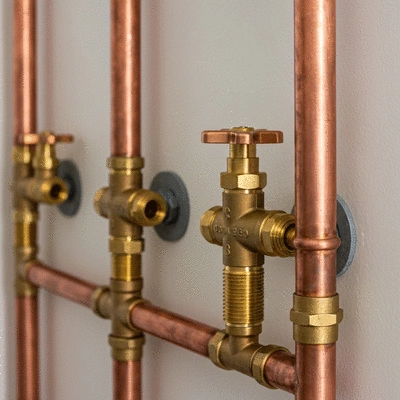
- Inspect visible pipes regularly for signs of wear or leaks.
- Check under sinks and around appliances for dampness.
- Evaluate your water pressure to ensure it’s at a healthy level.
- Flush your water heater once a year to prevent sediment buildup.
By incorporating these practices into your routine, you’ll have a better chance of catching issues early. Remember, proactive maintenance is key to ensuring the longevity of your plumbing!
Regular Inspections and Maintenance Tips for Richmond Homes
One of the best ways to avoid leaks is through regular inspections. I recommend setting aside time every few months to check your plumbing. During these inspections, look for:
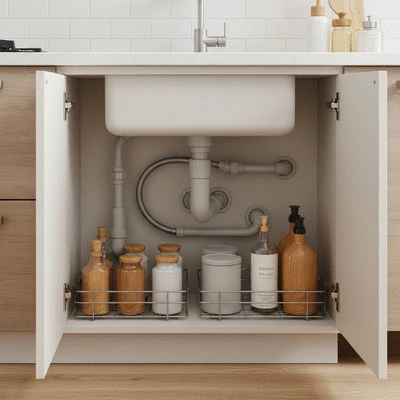
- Corrosion on pipes, which can indicate age and potential leaks.
- Any unusual sounds from your plumbing, like hissing or dripping.
- Water stains on walls or ceilings, which can be a sign of hidden leaks.
Don’t forget to document your findings! Keeping track of your inspections can help you see patterns over time. If something seems off or you notice an issue that you can’t fix, don’t hesitate to reach out to Richmond Plumber Pro for assistance. Our team is always ready to help with any plumbing concern you may have.
Understanding Local Weather Impacts on Plumbing
Richmond’s climate can have a significant effect on your plumbing system, especially during the winter months. Cold temperatures can lead to freezing pipes, which may burst and cause major leaks. To protect your plumbing, consider:
- Insulating exposed pipes, particularly in unheated areas.
- Allowing faucets to drip slightly during extreme cold to relieve pressure.
- Shutting off outside faucets and draining hoses before winter.
By taking these precautions, you can help safeguard your plumbing from weather-related issues. Remember, a little forethought can go a long way in preventing costly repairs! This is also important for gas leak detection and safety tips, as cold can impact all utility lines.
Choosing the Right Pipe Materials for Longevity
Selecting the right pipe materials can make a big difference in the durability of your plumbing system. In Richmond, we often see a variety of materials used, each with its own pros and cons. Here’s a quick overview:
- PVC: Lightweight and resistant to corrosion but not suitable for hot water.
- PEX: Flexible, easy to install, and resistant to scale and chlorine, making it a great choice for residential plumbing.
- Copper: Durable and long-lasting, ideal for both hot and cold water, but can be more expensive.
When considering pipe replacements or new installations, think about which materials suit your needs best. If you’re unsure, I’m here to help you make the best decision for your home!
Recap of Key Points
Here is a quick recap of the important points discussed in the article:
- Watch for common indicators of pipe leaks, such as water stains, damp spots, and increased water bills.
- Understand local factors that contribute to pipe leaks, including the age of homes and climate conditions.
- Detecting leaks early is vital to prevent structural damage and mold growth.
- Regular inspections and proactive maintenance of your plumbing system can help avoid future leaks.
- Consider local weather impacts and choose appropriate pipe materials for durability.