Gas Leak Detection and Safety Tips
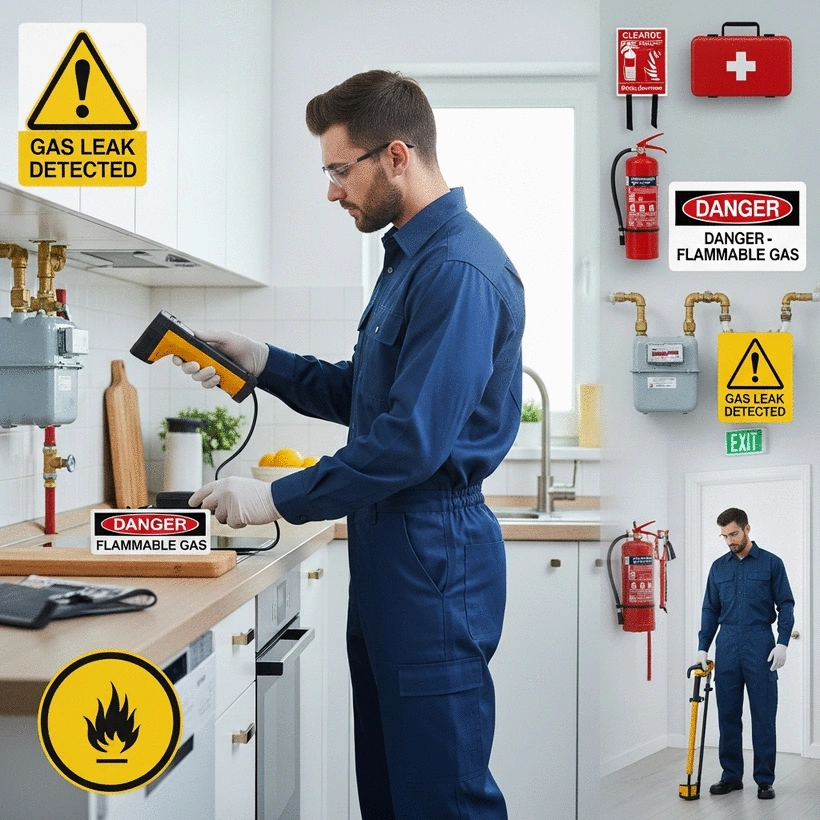
Understanding the nuances of gas leak detection can be a lifesaver. Whether you're a homeowner, renter, or small business owner, knowing how to spot a gas leak and the importance of early detection can help you protect your loved ones and property.
What You Will Learn
- Gas leak detection methods are essential to ensure safety—small leaks can lead to serious hazards.
- Common signs of a gas leak include unusual odors, hissing sounds, dead vegetation, and physical symptoms like headaches.
- Routine maintenance of gas appliances is vital for preventing leaks and ensuring everything functions properly.
- Installing reliable gas detectors in key locations can provide early warnings of potential gas leaks.
- Participating in gas safety training and awareness campaigns empowers communities to recognize and address gas leaks effectively.
Key Aspects of Gas Leak Detection and Prevention
Understanding the critical signs of a gas leak and implementing effective prevention strategies are paramount for safety. Below is a breakdown of these essential elements.
Common Gas Leak Signs: What to Look For
- • Unusual odors (rotten egg smell)
- • Hissing/whistling sounds near lines
- • Dead vegetation or discoloration
- • Physical reactions (headaches, nausea)
Long-term Prevention Strategies: Stay Safe
- • Routine maintenance & appliance checks
- • Installing reliable gas detectors
- • Gas safety training & awareness
- • Home safety checklist utilization
Understanding Gas Leak Detection in Richmond: Essential Insights
When it comes to maintaining the safety of our homes and businesses, gas leak detection is a critical aspect that can't be overlooked. At Richmond Plumber Pro, we see firsthand how important it is for the community to understand gas leaks and their detection. These leaks can pose serious risks, not only to property but also to personal safety. Knowing what to look for can make all the difference in preventing dangerous situations.
Gas leaks can happen for various reasons, from aging infrastructure to improper installations. Therefore, having a clear understanding of what gas leak detection entails is vital for homeowners, renters, and small business owners in Richmond. In this section, we’ll discuss what gas leak detection is, why it’s critical, and how to recognize the signs of a leak.
What is Gas Leak Detection and Why is it Critical?
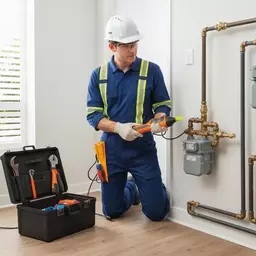
Gas leak detection refers to the methods and tools used to identify the presence of gas in an area. It's essential because even a small leak can lead to significant hazards, including fire, explosions, or health issues. Recognizing the importance of gas leak detection can save lives and prevent costly damages. The Pipeline and Hazardous Materials Safety Administration (PHMSA) continually advances rules to modernize gas pipeline leak detection requirements, emphasizing the critical need for effective detection methods. For more information on these regulations, you can refer to the PHMSA's document on Gas Pipeline Leak Detection and Repair and their Pipeline Safety Gas Pipeline Leak Detection and Repair initiatives.
- Protects you and your loved ones from health risks.
- Reduces the risk of property damage.
- Ensures compliance with safety regulations.
As a local plumbing expert, I often emphasize the need for regular checks and maintenance. This proactive approach not only helps in detecting potential gas leaks but also in ensuring the long-term safety of your home.
Common Gas Leak Signs: Recognizing the Warning Signals
Being aware of the signs of a gas leak is crucial for prompt action. Here are some common warning signals you should keep an eye out for:
- Unusual odors, particularly a rotten egg smell.
- Hissing or whistling sounds near gas lines.
- Dead vegetation or discoloration in the ground.
- Physical reactions, such as headaches or nausea.
Each of these signs can indicate a gas leak, and ignoring them can lead to severe consequences. If you notice any of these indicators, it's crucial to take immediate action!
Identifying the Smell: Rotten Egg Odor and Other Indicators
One of the most distinctive signs of a gas leak is the smell of rotten eggs, which is intentionally added to natural gas to help people recognize leaks. If you ever catch a whiff of this unpleasant odor, it’s time to act quickly. Don't hesitate to evacuate the area and call for help!
Auditory Clues: Hissing Sounds and Their Significance
Another telltale sign of a gas leak is a hissing or whistling sound coming from gas lines. This sound usually indicates that gas is escaping from a pipe or appliance, and it’s crucial to take this seriously. If you hear any unusual noises, it’s best to contact a professional immediately.
Visual Signs: Dead Vegetation and Discoloration Around Pipelines
Pay attention to your surroundings as well. If you notice patches of dead grass or plants near your gas lines, this could be a sign that a leak is occurring. Discoloration in the soil or bubbles forming in water can also indicate gas escaping.
Understanding Gas Leak Symptoms: Physical Reactions to Gas Exposure
Exposure to gas can cause physical symptoms such as headaches, dizziness, or nausea. If you or anyone in your household experiences these symptoms and you suspect a gas leak, evacuate the area and seek medical help if necessary. Your health and safety should always come first!
Pro Tip
Did you know? Regularly testing your gas detectors can significantly enhance your safety. Make it a habit to check them monthly and replace batteries as needed. This simple step can save lives by ensuring that your detectors are always ready to alert you in case of a gas leak!
Frequently Asked Questions About Gas Leak Detection
- Q: What are the most common signs of a gas leak?
- A: The most common signs include a distinctive rotten egg smell, hissing or whistling sounds near gas lines, dead or discolored vegetation around pipelines, and physical symptoms such as headaches or nausea.
- Q: Why is early gas leak detection important?
- A: Early detection is critical because even small leaks can lead to serious hazards like fires, explosions, health issues, and significant property damage. Prompt action can save lives and prevent costly repairs.
- Q: How often should I have my gas appliances inspected?
- A: It is recommended to have your gas appliances, including heaters and stoves, inspected at least once a year by a licensed professional to ensure they are functioning correctly and to detect any potential issues early.
- Q: Where should gas detectors be installed in a home?
- A: Gas detectors should be placed in key locations, such as kitchens, near gas appliances, and sleeping areas, to provide early warning of a gas leak. It's also important to test them monthly and replace batteries as needed.
- Q: What should I do if I suspect a gas leak?
- A: If you suspect a gas leak, you should immediately evacuate the area, call your gas provider or emergency services from a safe distance, and avoid using any electrical devices, switches, or phones that could create a spark.
Summary of Safety and Prevention for Gas Leaks in Richmond
At Richmond Plumber Pro, we believe that prevention is the best approach when it comes to protecting your home from gas leaks. Understanding the risks and taking proactive steps can significantly enhance your safety and give you peace of mind. Here are some essential long-term prevention strategies to consider:
- Routine maintenance and appliance checks
- Installing reliable gas detectors
- Gas safety training and public awareness campaigns
Routine maintenance of your home’s gas appliances is vital. Regularly scheduled inspections can catch potential problems before they develop into serious issues. Make sure to check your gas appliances, like heaters and stoves, at least once a year. Also, always look out for any unusual signs, such as changes in flame color or appliance performance. The U.S. Department of Transportation (USDOT) advances rules to modernize gas pipeline methane emissions detection requirements, highlighting the ongoing commitment to pipeline safety and maintenance.
Long-term Prevention Strategies: Keeping Your Home Safe
Routine Maintenance and Appliance Checks
As I've seen in my experience, keeping up with routine maintenance can make a huge difference. Make it a habit to inspect your appliances and gas lines regularly. This not only helps in early detection of issues but also ensures that everything is functioning correctly.
- Inspect gas lines for any visible wear and tear
- Ensure that all appliances are functioning as intended
- Schedule annual inspections with a licensed professional
By performing these checks, you’re not only taking care of your equipment but also safeguarding your family’s well-being.
Installing Reliable Gas Detectors: A Key Safety Measure
Gas detectors are your first line of defense against gas leaks. Installing reliable detectors in your home can provide an early warning if gas is present. Make sure to place them in key locations, such as kitchens and near gas appliances.
- Choose detectors that meet safety standards and are tested for performance
- Test detectors monthly and replace batteries as needed
- Consider smart detectors that can alert you via your smartphone
These measures ensure that you stay informed and can take action when necessary!
Gas Safety Training and Public Awareness Campaigns
Finally, staying informed is critical. Participating in gas safety training and awareness campaigns can empower you and your family. Many community organizations offer workshops and resources focused on gas safety. I recommend looking into local programs that can equip you with valuable knowledge.
- Attend workshops on gas safety and emergency responses
- Educate your family about recognizing gas leak symptoms
- Share information with neighbors to foster a safer community
By working together and being informed, we can enhance safety for everyone in Richmond!
Call to Action: Secure Your Home Against Gas Leaks Today
Don't wait until it's too late! If you suspect a gas leak or simply want to ensure your home is secure, contact Richmond Plumber Pro for expert gas leak detection services. Our team is ready and equipped to help you stay safe!
Contact Local Experts for Gas Leak Detection Services
Give us a call at Richmond Plumber Pro! We are available 24/7 to assist with any emergencies or to schedule routine maintenance. Our goal is to keep your home safe and comfortable.
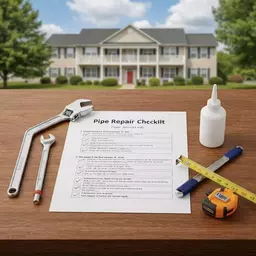
Access Our Home Safety Checklist for Gas Leak Preparedness
Additionally, I invite you to download our Home Safety Checklist for Gas Leak Preparedness. This resource is designed to help you take actionable steps in ensuring your home is ready for any potential gas-related issues. You can find it on our website or request it during your next service call.
Recap of Key Points
Here is a quick recap of the important points discussed in the article:
- Gas leak detection is essential for preventing health risks, property damage, and ensuring safety compliance.
- Common signs of gas leaks include unusual odors (like rotten eggs), hissing sounds, dead vegetation, and physical symptoms such as headaches.
- Regular maintenance and checks of gas appliances can help detect leaks early and ensure safe operation.
- Installing reliable gas detectors in key locations is crucial for early detection of gas leaks.
- Participating in gas safety training and awareness campaigns empowers individuals to recognize and respond to gas leak symptoms effectively.