Blocked Drain: DIY or Call?
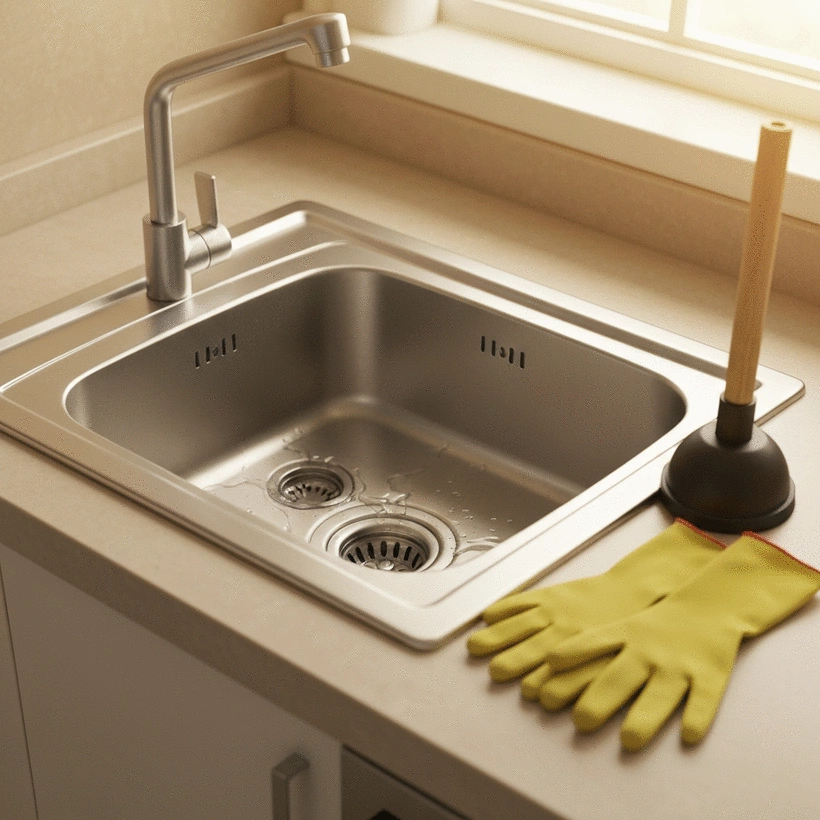
Are you noticing slow drainage or unpleasant odors in your home? Recognizing the signs of blocked drains early can save you from costly plumbing issues down the line. Here’s what you need to know to stay ahead of the problem!
What You Will Learn
- Identify key signs of blocked drains, such as slow drainage and gurgling sounds.
- Understand common causes of blockages, including household items and tree roots.
- Learn when to attempt DIY solutions versus when to call a professional plumber.
- Discover preventative maintenance tips to avoid future drainage issues.
How to Prevent and Resolve Blocked Drains
Understanding the common causes and effective solutions for blocked drains can save homeowners significant time and money. This visual guide outlines key prevention strategies and when to seek professional help, including how to repair blocked drains in Richmond.
Recognizing Blocked Drain Signs
Slow Draining: Water pooling.
Odors: Foul smells.
Gurgling Sounds: Pipe noises.
Water Backups: Flooding.
Common Causes
- Hair & soap residue
- Food scraps
- Grease buildup
- Tree roots
- Older pipe systems
Action Flow
DIY Solutions
- Plunger for minor clogs
- Baking soda & vinegar
- Drain screens for prevention
When to Call Pro
- Complete blockages
- Persistent backups
- Tree root intrusion
- Multiple fixtures affected
Understanding Blocked Drains in Richmond: Signs and Causes
Blocked drains can be a real hassle for homeowners in Richmond! It’s essential to recognize the signs early to prevent bigger problems later on. In this section, I’ll walk you through how to identify the signs of a blocked drain and discuss the common causes, helping you stay ahead of any plumbing issues.
Recognizing the Signs of a Blocked Drain
Understanding the symptoms of a blocked drain is the first step to addressing the issue. Some common signs include:
- Slow Draining: Water takes longer to drain than usual.
- Unpleasant Odors: Foul smells coming from your sinks or drains.
- Gurgling Sounds: Unusual noises from the pipes when draining.
- Water Backups: Water pooling in your sinks or even flooding in your home.
If you notice these signs, it’s time to take action! Ignoring them can lead to more severe problems like pipe bursts or water damage.
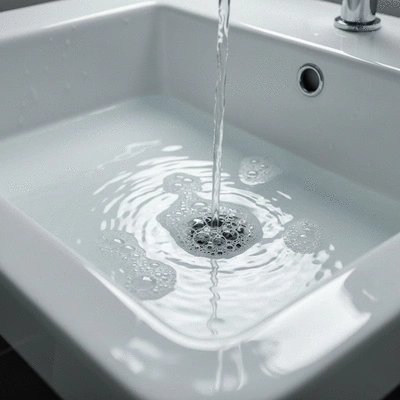
Common Symptoms of Drain Issues
Typically, a blocked drain presents various symptoms. For instance, if you see multiple fixtures in your home affected, it might indicate a more severe blockage in the main drain. I’ve seen many cases where homeowners notice their toilet flushing slowly or water backing up in the bathtub simultaneously. This is a strong indicator that immediate attention is required!
How to Differentiate Between Slow Draining and Complete Blockage
It’s important to distinguish between a slow drain and a complete blockage. A slow drain often means a partial blockage, while a complete blockage stops water flow altogether. If you experience both slow drainage and backups, it’s best to call a professional plumber right away. At Richmond Plumber Pro, we are always ready to assist you 24/7, ensuring your plumbing issues are resolved swiftly and effectively! For more insights into these issues, consider reading our article on blocked drains: causes and solutions.
Typical Causes of Blocked Drains in Richmond
Now that we’ve covered how to identify blocked drains, let’s dive into the typical causes. Understanding these can help you prevent future issues. Here are some common culprits:
- Local Climate: Heavy rainfall can overwhelm drainage systems.
- Older Pipe Systems: Aging infrastructure leads to more blockages.
- Household Items: Items like hair, soap, and food scraps can accumulate.
- Grease Buildup: Cooking grease can solidify and trap other debris.
- Tree Roots: Roots can invade pipes, causing significant damage.
Each of these factors plays a role in the drainage issues many residents face. By understanding these causes, you can take steps to minimize your risk!
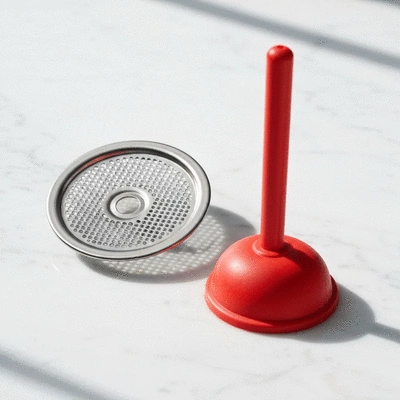
Impact of Local Climate and Older Pipe Systems
Richmond’s climate can contribute to drain blockages, especially during the wet season when heavy rains can lead to overflow. Additionally, older pipe systems often struggle to handle modern drainage demands, making them more susceptible to clogs. I recommend regularly checking your plumbing to avoid costly repairs down the line!
Common Household Items Leading to Clogs
It’s surprising how many everyday items can lead to blocked drains. Items such as:
- Hair and soap residue
- Food scraps, especially starchy foods
- Feminine hygiene products
- Paper towels
These can build up over time and create serious blockages. Make it a habit to dispose of these items properly, and you’ll help keep your drains running smoothly.
Grease Buildup and Its Role in Drain Blockages
Grease is another common offender! When poured down the drain, it can solidify and create a thick sludge that traps other debris. It’s best to avoid pouring grease down the sink altogether. Instead, let it cool and dispose of it in the trash.
The Impact of Tree Roots on Drainage Systems
Tree roots can wreak havoc on your plumbing, especially if they find their way into your pipes. They can infiltrate small cracks and cause severe blockages. If you suspect root intrusion, it’s essential to call a professional plumber. At Richmond Plumber Pro, we have the tools and expertise to deal with these challenging situations! For more comprehensive assistance, remember our reliable 24/7 plumber in Richmond is always ready to help.
Pro Tip
Did you know? Regularly flushing your drains with hot water can help prevent grease buildup and minor clogs. This simple practice keeps your plumbing in good shape and can save you from costly repairs down the line!
Frequently Asked Questions About Blocked Drains
What are the common signs of a blocked drain?
Common signs include slow draining water, unpleasant odors coming from drains, gurgling sounds from pipes, and water backing up in sinks or other fixtures.
What are the main causes of blocked drains?
Typical causes include heavy rainfall overwhelming drainage systems, older pipe infrastructure, accumulation of household items like hair and soap, grease buildup, and tree roots invading pipes.
When should I attempt a DIY solution for a blocked drain?
DIY solutions like using a plunger or a baking soda and vinegar mixture are suitable for minor clogs and partial blockages. However, if the blockage is severe or persistent, it's best to call a professional.
When should I call a professional plumber for a blocked drain?
You should call a professional for complete blockages, persistent water backups, suspected tree root intrusion, or if multiple fixtures in your home are affected simultaneously.
How can I prevent future drain blockages?
Preventative measures include using drain screens to catch debris, avoiding pouring grease down the sink, being cautious about what goes down your drains, and scheduling annual plumbing inspections.
Summarizing Your Options for Blocked Drains in Richmond
As a homeowner, managing blocked drains can feel overwhelming at times. However, understanding when to tackle the problem yourself versus when to call in a professional can save you both time and money. Here are some key takeaways that I’ve gathered from my experience at Richmond Plumber Pro to help you navigate your options.
Key Takeaways for Homeowners
When to Try DIY Solutions vs Calling for Help
It’s important to know your limits when dealing with plumbing issues. Here are some scenarios where you might consider each option:
- Try DIY: Minor clogs and blockages where you can use a plunger or natural cleaners like baking soda and vinegar.
- Call for Help: Complete blockages, persistent backups, or if you notice signs of tree roots intruding into your pipes.
Being able to differentiate between these scenarios can save you a significant amount of stress. If the issue seems beyond a simple fix, don't hesitate to reach out to a professional!
Importance of Regular Maintenance to Prevent Future Issues
Preventing blockages before they happen is crucial for maintaining a healthy plumbing system. Regular maintenance can help you avoid costly repairs down the line. Consider these tips:
- Schedule annual plumbing inspections with a local expert.
- Implement regular cleaning routines using safe, eco-friendly methods.
- Keep an eye out for any signs of wear or aging in your pipes.
By proactively maintaining your plumbing, you’ll keep your drains flowing smoothly and avoid emergencies that could disrupt your daily life!
Homeowner Tips for Managing Drainage Issues Effectively
Here are some practical tips that I often share with my clients at Richmond Plumber Pro to help them manage their drainage issues:
- Use drain screens to catch hair and debris.
- Avoid pouring grease down the sink; instead, dispose of it in the trash.
- Be cautious about what goes down your drains; not everything is suitable!
These simple practices can go a long way in preventing drain issues and keeping your plumbing in top shape!
Engagement and Support: Additional Resources
Accessing Local Plumbing Services in Richmond
If you find yourself needing assistance, Richmond Plumber Pro is always here to help! We provide fast and reliable plumbing services to tackle any urgent plumbing needs. Don't hesitate to contact us if you have concerns about your drains!
Helpful Tutorials and User Checklists for Drain Care
To empower homeowners, I recommend utilizing various online resources and guides. These can serve as valuable tools for understanding how to care for your drains effectively. Look for:
- Video tutorials on drain cleaning techniques.
- Printable checklists for regular plumbing maintenance.
- Articles from trusted plumbing blogs.
Engaging with these resources can enhance your knowledge and skills, ensuring you're prepared for any drainage issues that come your way!
Plumbing Advice: Getting Help From Experienced Local Plumbers
When in doubt, reaching out to a local plumbing expert is always advisable. At Richmond Plumber Pro, we’re dedicated to providing transparent information and support to our community. Consider getting in touch if you have any questions or need advice tailored to your specific situation!
Call to Action: Take Action on Your Drain Issues
Contact Information for Local Plumbers
Schedule an Appointment for Professional Assistance
Don’t hesitate to reach out if you're facing more serious plumbing issues! You can easily schedule an appointment with Richmond Plumber Pro. Our team is available 24/7 to provide prompt assistance and take care of any urgent plumbing needs you might have!
Encouraging DIY Exploration with Caution
Do Your Research Before Attempting DIY Repairs
If you’re considering a DIY approach, I encourage you to do thorough research first. Ensure you understand the process, tools required, and any risks involved. Sometimes, what seems simple can quickly turn complicated!
Understanding Local Plumbing Codes and Regulations
Before diving into DIY repairs, familiarize yourself with your local plumbing codes and regulations. This ensures you're not only following the law but also protecting your property and investment. If you have questions, feel free to ask your local plumbing experts!
Recap of Key Points
Here is a quick recap of the important points discussed in the article:
- Signs of Blocked Drains: Look out for slow draining, unpleasant odors, gurgling sounds, and water backups.
- Common Causes: Heavy rainfall, aging pipe systems, household items, grease buildup, and tree roots can lead to blockages.
- DIY vs. Professional Help: Attempt DIY solutions for minor clogs, but call a plumber for complete blockages or signs of root intrusion.
- Regular Maintenance: Schedule annual inspections, maintain cleaning routines, and monitor for signs of wear in your pipes.
- Preventive Tips: Use drain screens, avoid pouring grease down the sink, and be cautious about what goes down your drains.