Identifying Urgent Plumbing Problems
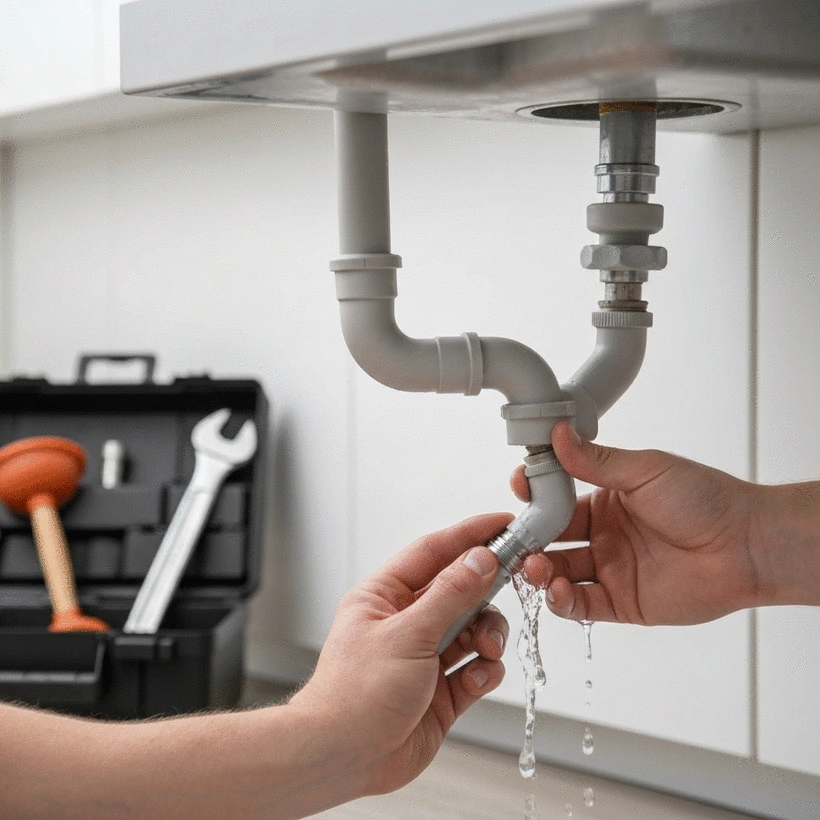
Have you ever found yourself in a plumbing predicament, unsure whether you’re facing a burst pipe or a blocked drain? The ability to quickly identify these urgent issues can save you time, money, and a whole lot of stress. Here’s a concise guide to help you navigate these common plumbing challenges.
What You Will Learn
- Key symptoms of a burst pipe include sudden water pressure loss and unexplained wet spots on walls.
- Common indicators of a blocked drain are stagnant water in sinks and foul odors emanating from plumbing fixtures.
- Understanding the urgency: a burst pipe requires immediate attention, while a blocked drain can often wait for professional help.
- DIY tips for minor clogs include using a plunger or a baking soda and vinegar mixture for cleaning.
- Know when to call for emergency plumbing help: visible damage, uncontrollable water flow, and risks of mold growth are critical signs.
Plumbing Issue Urgency Assessment
Understanding the key differences between a burst pipe and a blocked drain helps in assessing urgency and taking appropriate action.
Burst Pipe: Emergency Urgency
Requires immediate professional intervention to prevent significant water damage and structural issues.
Symptoms to Watch For
- • Sudden pressure loss
- • Wet spots on walls/ceilings
- • Unexplained pooling water
- • Hissing/gurgling sounds
Potential Risks if Delayed
- • Extensive water damage
- • Mold growth
- • Structural damage
- • Increased repair costs
Blocked Drain: Urgent Attention Needed
Requires prompt action to prevent escalation to more severe plumbing issues.
Symptoms to Watch For
- • Stagnant water in fixtures
- • Foul odors from drains
- • Gurgling noises
- • Slow drainage/sewage backups
Potential Risks if Delayed
- • Increased blockages
- • Pipe corrosion
- • Water damage from overflows
- • Costly pipe replacements
Burst Pipe or Blocked Drain? Understanding Urgent Plumbing Issues
Dealing with plumbing issues can feel overwhelming, especially when they arise unexpectedly. At Richmond Plumber Pro, I often see homeowners confused between a burst pipe and a blocked drain. Understanding the key differences and symptoms can help you act quickly and prevent further damage. For more information on preventing pipe damage, check out our guide on common pipe leak causes explained.
Identifying Symptoms of a Burst Pipe
Recognizing a burst pipe early can save you a lot of trouble and money. Here are some common symptoms to look out for:
- Sudden loss of water pressure
- Unexplained wet spots on walls or ceilings
- Water pooling in areas where it shouldn't
- Unusual sounds like hissing or gurgling
If you notice any of these signs, it's crucial to take action immediately. A burst pipe can lead to significant water damage, which can be costly and stressful to remediate.
Signs of Water Pressure Loss and Leakage
A significant drop in water pressure can be a clear indicator of a burst pipe. If your faucets are running weakly or not at all, that’s a major red flag! Additionally, if you notice water dripping or pooling in your home, it’s time to call for help.
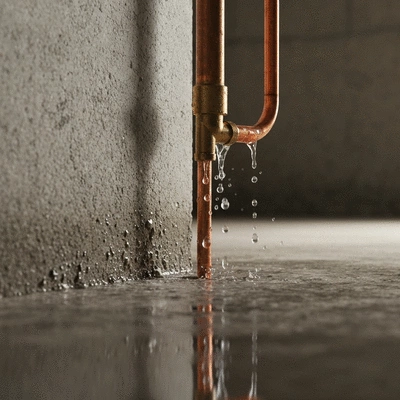
Visual Indicators of Burst Pipes
Sometimes, the signs are right in front of you. Look for:
- Cracks in walls or ceilings
- Water stains or discoloration on surfaces
- Excessive moisture in areas near pipes
These visual cues are critical in identifying a burst pipe before it worsens. Don’t wait until it’s too late!
Recognizing Blocked Drain Symptoms
If your concern is about blocked drains, you’ll want to pay attention to different symptoms. These can often be less urgent than a burst pipe but still require prompt attention. For professional assistance with blockages, consider our blocked drain repair in Richmond.
- Stagnant water in sinks or tubs
- Foul odors coming from drains
- Gurgling noises from plumbing fixtures
- Sewage backups in toilets
Recognizing these signs early can help you avoid more significant plumbing issues down the line. If you’re facing slow drains or backups, it’s essential to address the problem before it escalates.
Common Signs of a Clogged Drain
Particularly in our rainy Richmond seasons, it’s common for drains to get clogged. If you notice slow drainage, especially during heavy rainfall, take note! This can be a precursor to more severe issues.
How Backups and Slow Drains Differ from Burst Pipes
While a burst pipe brings immediate urgency, blocked drains typically provide early warning signs. If you notice persistent slow drains or odd sounds, don't ignore them! Instead, consider contacting a professional before the issue grows.
Understanding Drain Cleaning Techniques for Effective Solutions
At Richmond Plumber Pro, we use various drain cleaning techniques to tackle blockages effectively. Methods like hydro-jetting or snaking can clear out tough clogs, restoring your plumbing to optimal condition. Always consult a professional before attempting any DIY solutions!
Assessing the Urgency of Plumbing Issues
With all this information in hand, it’s vital to assess the urgency of plumbing issues. There’s no question that a burst pipe is an emergency, but when should you consider a blocked drain an urgent situation?
When to Seek Emergency Plumbing Help
Understanding when to call for emergency plumbing assistance can save you from more extensive repairs. Here are some guidelines:
- Water flowing uncontrollably
- Visible damage or risk of mold growth
- Situations where you feel unsure about safety
Remember, if you are uncertain, it’s always better to be safe than sorry. Reach out to me at Richmond Plumber Pro, and I’ll guide you through your plumbing emergency!
Criteria for Urgency: Burst Pipe vs. Blocked Drain
While both issues require attention, a burst pipe often has more immediate consequences than a blocked drain. If water is actively leaking, it’s essential to act swiftly to prevent further damage. For detailed guidance on dealing with such emergencies, refer to our article on handling pipe bursts at night.
Potential Risks of Delaying Repairs
Delaying repairs can lead to structural damage, mold growth, and increased repair costs. It's not just the plumbing issue at hand; it's about protecting your home!
Recognizing Water Damage and Its Consequences
Water damage can take many forms, often manifesting as stains or structural issues. Don't disregard minor issues; they can lead to major consequences down the line.
DIY Troubleshooting for Homeowners
For those who enjoy tackling home repairs, there are some quick fixes for blocked drains that you might try. Just remember, safety first!
Quick Fixes for Blocked Drains
Common DIY techniques include:
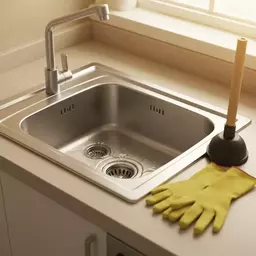
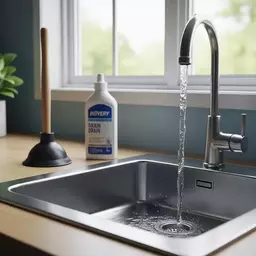
- Using a plunger to dislodge minor clogs
- Applying a mixture of baking soda and vinegar for natural cleaning
- Using a drain snake for deeper blockages
These methods can often resolve minor issues! However, if the problem persists, please don’t hesitate to call.
Limitations of DIY Solutions for Burst Pipes
While DIY can work for small clogs, burst pipes require professional intervention. Attempting to fix a burst pipe yourself can lead to even greater damage.
Essential Plumbing Tools for Homeowners
Having the right tools on hand can make all the difference. Consider keeping these essentials:
- Plunger
- Drain snake
- Adjustable wrench
Being prepared can help you address minor issues before they escalate!
Pro Tip
When faced with a plumbing issue, consider documenting the symptoms before calling for help. Take photos of any visible damage or leaks, note the exact time the problem occurred, and describe any unusual sounds. This information can help your plumber diagnose the issue more efficiently, potentially saving you time and money!
Summarizing Urgent Plumbing Needs
When it comes to urgent plumbing issues, understanding the symptoms is crucial. If you suspect you have a burst pipe, keep an eye out for signs like water pressure loss and unexpected wet spots around your home. Blocked drains, on the other hand, often show symptoms such as slow drainage or gurgling noises. Recognizing these key indicators helps in assessing the urgency of your situation!
- Burst Pipe Symptoms: Water pressure loss, visible leaks, and sudden dampness.
- Blocked Drain Symptoms: Slow drainage, foul odors, and gurgling sounds.
As a homeowner, knowing these signs can mean the difference between a minor inconvenience and a plumbing disaster. So, always stay vigilant!
Final Tips for Homeowners Regarding Plumbing Issues
Before you find yourself in a plumbing crisis, here are some final tips to help you stay prepared:
- Always know where your main water shutoff valve is located.
- Regularly inspect your plumbing for any signs of wear or leaks.
- If you notice anything unusual, don’t hesitate to contact a professional plumber.
At Richmond Plumber Pro, we believe that being proactive can save you time, money, and a lot of stress. Remember, prevention is key!
Taking Action: Next Steps for Homeowners
Contacting an Emergency Plumber Near You
When faced with a plumbing emergency, knowing who to call is vital. If you find yourself in Richmond, don’t hesitate to reach out to us at Richmond Plumber Pro. Our team of dedicated professionals is available 24/7 to assist you with any urgent plumbing needs!
- Save our contact information for quick access in emergencies.
- Be prepared to provide details about your plumbing issue.
Having a reliable plumber on speed dial can make all the difference when a crisis occurs!
Utilizing Online Resources for Immediate Assistance
In today's digital age, you can find valuable resources online to help with plumbing issues. From troubleshooting guides to instructional videos, the internet is a great place for quick fixes. Just remember to verify the credibility of the sources you consult!
- Search for reputable plumbing blogs or forums for advice.
- Watch DIY videos for step-by-step solutions to common problems.
These resources can empower you with knowledge, but they don’t replace the expertise of a professional!
Understanding Homeowners Insurance for Plumbing Emergencies
Last but not least, it’s essential to understand how your homeowners insurance covers plumbing emergencies. Review your policy to know what is included and what isn’t. This can help you avoid unexpected expenses during a plumbing crisis.
- Check whether your policy covers burst pipes and water damage.
- Understand your deductible and coverage limits.
Having this knowledge can give you peace of mind, knowing you're prepared for whatever plumbing challenges may come your way!
Recap of Key Points
Here is a quick recap of the important points discussed in the article:
- Burst Pipe Symptoms: Look for sudden loss of water pressure, unexplained wet spots, and unusual sounds.
- Blocked Drain Symptoms: Check for stagnant water, foul odors, and gurgling noises.
- Emergency Situations: Call a plumber if there is uncontrolled water flow, visible damage, or safety concerns.
- DIY Tips: Use a plunger, baking soda and vinegar, or a drain snake for minor clogs, but avoid DIY for burst pipes.
- Preparation: Know your main water shutoff valve and regularly inspect your plumbing for leaks.
Frequently Asked Questions (FAQs)
- What are the key differences between a burst pipe and a blocked drain?
- A burst pipe involves a rupture in the plumbing system, leading to sudden water pressure loss, unexplained wet spots, and potential flooding. A blocked drain occurs when debris obstructs water flow, resulting in stagnant water, foul odors, and slow drainage.
- What are the immediate signs of a burst pipe?
- Immediate signs include a sudden drop in water pressure, visible wet spots on walls or ceilings, unexplained pooling water, and hissing or gurgling sounds from pipes.
- How can I tell if I have a blocked drain?
- Signs of a blocked drain include stagnant water in sinks or tubs, foul odors emanating from drains, persistent gurgling noises from plumbing fixtures, and slow drainage or sewage backups.
- When should I call for emergency plumbing help?
- You should call for emergency plumbing help if there is uncontrollable water flow, visible damage that could lead to structural issues or mold growth, or if you feel unsure about your safety. Burst pipes typically require immediate professional intervention.
- Are there any DIY solutions for plumbing issues?
- For minor blocked drains, you can try using a plunger, a mixture of baking soda and vinegar, or a drain snake. However, DIY solutions are generally not recommended for burst pipes, which require professional attention to prevent further damage.
- What are the potential risks of delaying repairs for a burst pipe or blocked drain?
- Delaying repairs for a burst pipe can lead to extensive water damage, mold growth, structural damage, and significantly increased repair costs. For blocked drains, delays can result in increased blockages, pipe corrosion, water damage from overflows, and costly pipe replacements.