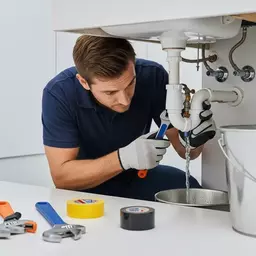
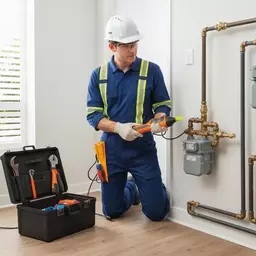
Identifying Gas Leaks in Richmond

In the event of a gas leak, being well-informed can save lives. Consider this: a distinct smell akin to rotten eggs is often the first warning sign, yet many people dismiss it. Understanding these signs and knowing how to act is essential for your safety and that of your loved ones.
What You Will Learn
- The unmistakable smell of mercaptan, resembling rotten eggs, serves as a crucial alert for gas leaks.
- Auditory signs, like hissing or whistling sounds, can indicate escaping gas and should not be ignored.
- Visual cues, including dead vegetation and abnormal flame colors, can signal a gas leak in your surroundings.
- Physical symptoms such as headaches, dizziness, and fatigue may indicate gas exposure, necessitating immediate action.
- Understanding the dangers of carbon monoxide, a colorless and odorless gas, is vital for preventing health risks.
- Regular safety inspections and being prepared with an emergency action plan can significantly reduce risks associated with gas leaks.
Key Indicators of a Gas Leak and Immediate Actions
Understanding how to identify a gas leak quickly is crucial for the safety of your Richmond home. Below is a breakdown of the key signs to watch for and the immediate actions you should take if you suspect a leak. For comprehensive information on detecting and preventing gas leaks, refer to our guide on gas leak detection and safety tips.
Distinct Smell of Rotten Eggs (Mercaptan)
Natural gas is odorless, but mercaptan is added for safety. If you smell sulfur or rotten eggs, it's a critical sign of a leak.
IMMEDIATE ACTION: Evacuate & Call Emergency
If you smell gas, leave the premises immediately. Do NOT use phones inside. Call 000 or your gas provider from a safe distance.
Hissing or Whistling Noises
Unusual sounds near gas lines or appliances, like hissing or whistling, indicate gas escaping from a pipe or connection.
IMMEDIATE ACTION: Contact Richmond Plumber Pro
For persistent hissing or suspected leaks, contact certified technicians like Richmond Plumber Pro for thorough inspection and repair.
Dead Vegetation & Abnormal Flame Colors
Patches of dead plants near gas lines or yellow/orange flames instead of blue on appliances can signal a leak.
IMMEDIATE ACTION: Ensure Ventilation, Check Appliances
If safe, ensure proper ventilation. Turn off affected appliances and have them checked by a professional.
Physical Symptoms: Headaches, Dizziness, Fatigue
Gas exposure can cause headaches, dizziness, nausea, and fatigue. Carbon monoxide is especially dangerous as it's odorless.
IMMEDIATE ACTION: Seek Medical Attention
If experiencing physical symptoms, evacuate and seek medical help immediately. For CO, ensure fresh air and call emergency services.
Recognizing the Signs of a Gas Leak in Your Richmond Home
Gas leaks can pose serious risks to your safety and well-being. It's crucial to recognize the signs early on to protect yourself and your loved ones. In Richmond, our community values safety, and being aware of these indicators can make all the difference. Let's dive into the key signs of a gas leak and what to look out for!
The Distinct Smell of Rotten Eggs: A Key Indicator
One of the most recognizable signs of a gas leak is the distinct smell of rotten eggs. This odor is intentionally added to natural gas to help people detect it quickly. If you catch a whiff of something that reminds you of sulfur, it’s time to take action!
Understanding Mercaptan: Why Gas Smells Like Sulfur
The compound responsible for this telltale odor is called mercaptan. It’s a safety feature that alerts you to the presence of gas. Even if you have a strong sense of smell, it’s essential not to ignore this warning. If you smell something unusual, trust your instincts!
How to Differentiate Between Natural Gas and Other Odors
While the smell of mercaptan is unmistakable, other odors may occur around your home. For example, sewer gas has its own distinct scent, similar to rotten eggs but slightly different. Be vigilant and try to pinpoint the source of any foul smells. If in doubt, it’s always best to err on the side of caution and contact a professional!
Auditory Clues: Identifying Hissing Noises
Besides smelling gas, you might also hear hissing or whistling noises around your gas lines. This sound can indicate a leak or problem in your gas system. Being attentive to auditory clues can help you catch potential issues before they escalate.
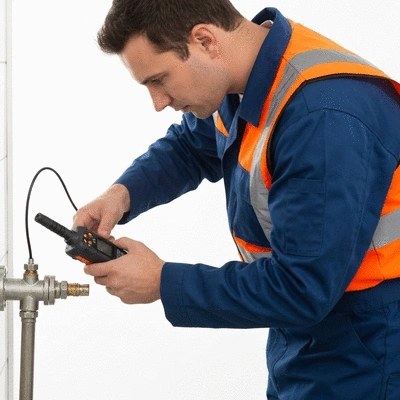
What Hissing Sounds May Indicate About Your Gas Lines
- Hissing noises near gas appliances may indicate a loose connection.
- Whistling sounds could suggest that gas is escaping from a damaged pipe.
- Any abnormal sounds should prompt you to investigate immediately.
If you hear any unusual sounds, don’t hesitate to reach out to a certified technician for a thorough inspection. It’s always better to be safe than sorry, especially when dealing with potential issues like a DIY pipe leak fix.
When to Investigate Further or Seek Professional Help
If you notice a persistent hissing sound, it’s time to take action. Contact Richmond Plumber Pro right away! Our team is available 24/7 to ensure your home is safe and secure from gas leaks. Remember, timely intervention can prevent hazardous situations.
Visual Signs: Dead Vegetation and Unusual Flames
Sometimes, gas leaks can manifest visually. If you notice patches of dead or dying vegetation near your gas lines, this could be a sign of a leak. Keep an eye out for any changes in your garden or yard.
The Impact of Gas Leaks on Plant Life: Signs to Watch For
- Yellowing or wilting plants, especially in localized areas.
- Unexplained areas of dead grass or plants.
- Discoloration of surrounding soil.
These signs suggest that gas may be seeping into the ground, harming the plant life. If you suspect a leak, it’s critical to have it checked out as soon as possible.
Recognizing Abnormal Flame Colors and Behavior
Have you noticed flames that are yellow or orange instead of blue? Abnormal flame colors can indicate incomplete combustion caused by a gas leak. A properly functioning gas flame should burn blue with a yellow tip. If you see anything else, it’s time to take action!
Other Symptoms of Gas Exposure: Physical Effects to Monitor
Gas exposure can lead to various physical symptoms that you should be aware of. If you or anyone in your home starts experiencing headaches, dizziness, or fatigue, it might be time to investigate further.
Understanding Headaches, Dizziness, and Fatigue
- Headaches are often one of the first signs of gas exposure.
- Dizziness can occur if you’ve been inhaling gas for too long.
- Unexplained fatigue may also indicate a gas leak.
These symptoms can be serious, and if they persist, it's crucial to seek medical attention immediately. Your health and safety are paramount!
When to Seek Medical Attention for Gas Exposure Symptoms
If you're experiencing severe symptoms or if multiple people in your home are affected, don't hesitate! Call your local emergency services or visit a medical facility. At Richmond Plumber Pro, we’re here to help you ensure that your home remains a safe space!
Understanding Carbon Monoxide: A Silent Threat in Gas Leaks
Carbon monoxide (CO) is a colorless, odorless gas that can be even more dangerous than a natural gas leak. It can build up in enclosed spaces, leading to serious health risks. Being aware of CO exposure is essential for every homeowner.
Recognizing Carbon Monoxide Poisoning Symptoms
- Common symptoms include headaches, confusion, and shortness of breath.
- Symptoms may worsen as exposure continues.
- Be aware that CO can be fatal if not addressed quickly.
If you suspect carbon monoxide exposure, evacuate your home immediately and call for professional assistance!
Importance of Ventilation in Preventing Gas Accumulation
Ensuring proper ventilation in your home is vital for preventing gas accumulation. Always ensure that your gas appliances are well-ventilated to avoid hazardous situations. If you notice any issues, reach out to us at Richmond Plumber Pro. We're just a call away and ready to help!
Pro Tip
Regularly check and test your gas detectors to ensure they are functioning properly. A working gas detector can provide you with peace of mind and alert you promptly in case of a gas leak, potentially saving lives!
Frequently Asked Questions About Gas Leaks
What is the most common sign of a gas leak?
The most common and recognizable sign of a gas leak is a distinct smell similar to rotten eggs or sulfur. This odor is due to mercaptan, an additive mixed with natural gas for safety.
What should I do if I suspect a gas leak?
If you suspect a gas leak, evacuate the premises immediately. Do NOT use phones inside, light matches, or operate electrical switches. Once at a safe distance, call 000 (emergency services) or your gas provider.
Can gas leaks cause physical symptoms?
Yes, gas exposure can lead to physical symptoms such as headaches, dizziness, nausea, and fatigue. Carbon monoxide, a byproduct of incomplete combustion, is particularly dangerous as it is odorless and can cause severe health issues or even death.
What are the visual signs of a gas leak?
Visual signs can include patches of dead or discolored vegetation near gas lines, or abnormal flame colors (yellow or orange instead of blue) on gas appliances. These indicate gas seepage or incomplete combustion.
How can I prevent gas leaks in my home?
Preventative measures include scheduling regular safety inspections of your gas lines and appliances by certified professionals, ensuring proper ventilation, and installing working gas and carbon monoxide detectors.
Summarizing the Risks and Actions for Gas Leak Awareness
Gas leaks can pose serious risks, and being aware of the warning signs is crucial for the safety of your Richmond home. Recognizing the distinct smell of rotten eggs, listening for hissing noises, and observing unusual behavior in your plants can help you identify potential gas leaks before they lead to dangerous situations. It’s essential to stay informed and vigilant!
Additionally, understanding the symptoms of gas exposure, like headaches and dizziness, is vital for your health. Taking proactive safety protocols can make all the difference in ensuring your family's wellbeing.
Recap of Key Warning Signs and Safety Protocols
Here’s a quick recap of the key warning signs and safety protocols you should be aware of:
- Smell: A sulfur-like odor indicates a possible gas leak.
- Sound: Hissing noises may suggest gas is escaping.
- Visual Signs: Look for dead vegetation or abnormal flame colors.
- Physical Symptoms: Monitor for headaches, dizziness, and fatigue.
Being vigilant in your Richmond home means regularly checking for these indicators and knowing your rights as a homeowner. If you suspect a gas leak, don’t hesitate to take immediate action!
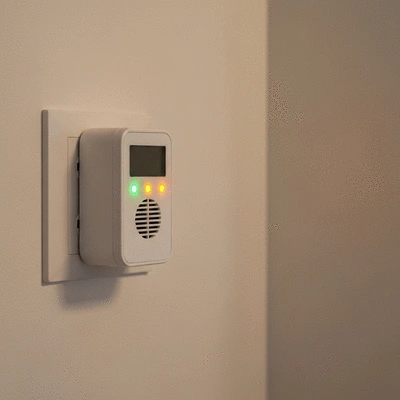
The Importance of Being Vigilant in Your Richmond Home
At Richmond Plumber Pro, I always emphasize the importance of vigilance. Keeping an eye on your home and knowing the signs of a gas leak can save lives. Remember, your home is your sanctuary, and ensuring its safety should be your top priority!
Encouraging Proactive Measures for Homeowners
Proactive measures can help prevent gas leaks and ensure your home remains safe. Here are some important steps to consider:
- Schedule regular inspections: Engage with local plumbing experts for safety inspections.
- Educate yourself: Stay informed about gas safety protocols and symptoms of leaks.
- Be prepared: Have an action plan for gas leak emergencies.
By taking these steps, you can safeguard your home and family from the risks associated with gas leaks. As a Richmond resident, it’s essential to be proactive and prepared!
Engage with Local Experts for Safety Inspections
Don’t underestimate the value of professional help! Connecting with trusted local plumbers like Richmond Plumber Pro ensures that you’re getting the best advice and support for your plumbing and gas needs. Regular safety inspections can help catch potential issues before they escalate!
Sharing Resources: Local Utility Contacts and Emergency Numbers
Having the right contacts on hand can be lifesaving. Here are some key resources to keep in your home:
- Richmond Gas Utilities: [Insert local utility contact numbers]
- Emergency Services: Always call 000 for urgent assistance.
- Richmond Plumber Pro: Call us at [Insert phone number] for immediate help with gas leaks or plumbing emergencies!
Make sure everyone in your household knows these contacts and understands when to use them.
Home Safety Checklist: Essential Items for Every Home
A home safety checklist can help you stay organized and prepared for any situation. Here’s what I suggest including:
- Gas detector: Install one for early detection of leaks.
- First aid kit: Ensure it’s stocked and easily accessible.
- Emergency plan: Create and practice escape routes with your family.
Having a checklist will ensure that you’re ready for any gas leak situation that may arise!
Taking the Next Steps for Your Home’s Safety
Once you’re aware of the risks and the actions to take, it’s time to implement these safety measures in your home. Preparing for potential gas leak situations is essential for peace of mind.
How to Prepare for Potential Gas Leak Situations
Creating an action plan is the first step to ensuring safety. Here’s how to go about it:
- Discuss safety protocols: Talk with your family about the steps to take in case of a gas leak.
- Practice evacuation: Conduct drill runs so everyone knows how to exit the home safely.
- Regularly review the plan: Update your action plan as needed.
Having a solid plan in place can make a significant difference in an emergency situation!
Connect with Local Plumbers and Safety Professionals
Working with local professionals is key to maintaining your home’s safety. Finding trusted services in Richmond for gas safety can help you avoid risks. For any urgent plumbing issues, you can also learn about emergency plumber costs in Richmond. Here’s how you can connect:
- Research and read reviews: Look for reputable plumbing services in your area.
- Ask for recommendations: Reach out to friends or neighbors for their experiences.
- Schedule consultations: Meet with local plumbers to discuss your concerns and get advice.
Remember, collaboration with experts like Richmond Plumber Pro can ensure the safety and reliability of your home’s gas systems!
Understanding the Importance of Home Inspection for Safety
Regular home inspections are crucial for safety. They help identify potential hazards before they become serious problems. By making inspections a routine part of home maintenance, you can keep your family safe and your home secure!
Recap of Key Points
Here is a quick recap of the important points discussed in the article:
- Smell: A sulfur-like odor indicates a possible gas leak.
- Sound: Hissing noises may suggest gas is escaping.
- Visual Signs: Look for dead vegetation or abnormal flame colors.
- Physical Symptoms: Monitor for headaches, dizziness, and fatigue.
- Proactive Measures: Schedule regular inspections and educate yourself on gas safety.