Unblock a Drain: DIY or Pro?
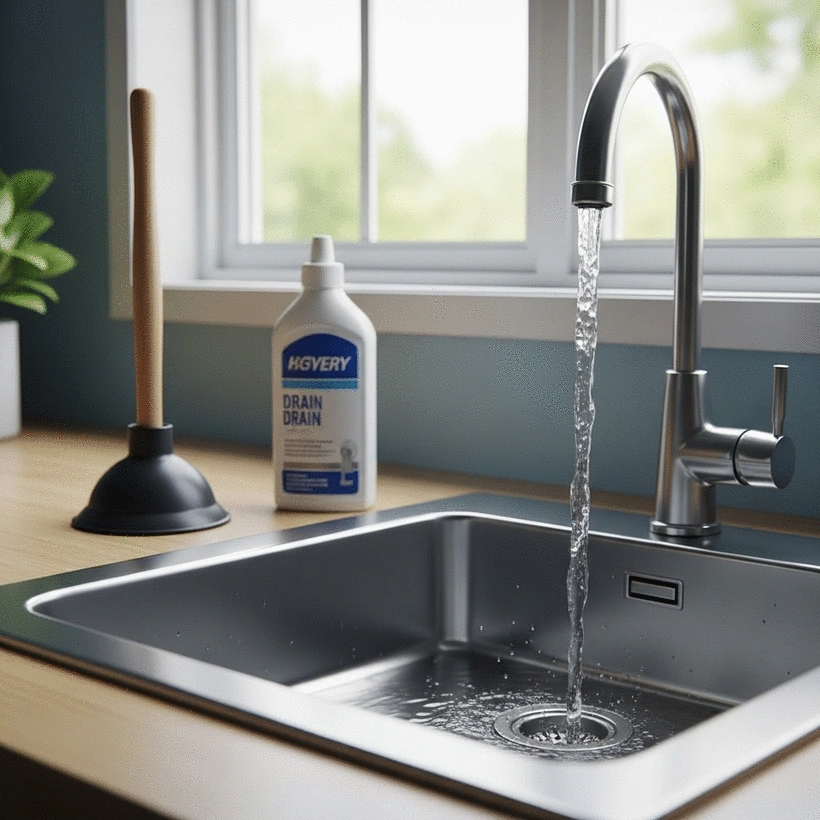
When faced with a clogged drain, understanding the causes and signs can save you time and hassle. Here’s what you need to know to keep your plumbing flowing smoothly.
What You Will Learn
- Common Causes: Grease buildup, hair, food particles, and foreign objects are typical culprits behind drain blockages.
- Signs of a Clog: Slow drainage, bad odors, and gurgling sounds are indicators that your drain may be clogged.
- DIY vs. Professional Help: Assess the severity of the blockage and your comfort with tools before deciding to tackle it yourself or call a plumber.
- Local Expertise Matters: Choosing a local plumber ensures knowledge of Richmond-specific plumbing issues and quick response times.
Drain Blockages: Causes and Solutions
Understanding the common causes and indicators of drain blockages can help you address them quickly and effectively, ensuring your home's plumbing remains healthy.
Common Causes of Drain Blockages
- • Grease Buildup
- • Hair Accumulation
- • Food Particles
- • Foreign Objects
Signs of a Clogged Drain
- • Slow Drainage
- • Bad Odors
- • Gurgling Sounds
DIY vs. Professional Cleaning
- • Minor clog? DIY first.
- • Severe clog? Pro help.
- • Right tools on hand?
- • Time constraints?
Understanding Drain Blockages: Causes and Indicators
When it comes to maintaining your home's plumbing, one of the most common issues you'll encounter is a drain blockage. Understanding what causes these blockages can help you address them quickly and effectively. In this section, I’ll share insights on typical causes and how to spot the signs of a clogged drain, particularly in Richmond homes.
Drain blockages can occur for a variety of reasons, and being proactive about identifying them can save you time and money. Here's a closer look at the common culprits that lead to these frustrating issues:
Common Reasons for Drain Blockages in Richmond Homes
- Grease Buildup: Over time, fats and oils can accumulate in your pipes, leading to a stubborn blockage.
- Hair: Hair is notorious for clogging bathroom drains. Even small amounts can create major issues.
- Food Particles: If you’re not careful with what you put down your kitchen sink, leftover food can create blockages.
- Foreign Objects: Items like toys or utensils accidentally dropped down the sink can cause serious problems.
Being aware of these factors can help you take preventive measures. I often remind my clients to be mindful of what they allow to go down their drains!
Signs Your Drain is Clogged: When to Take Action
Recognizing the warning signs of a clogged drain is crucial. If you notice any of the following, it might be time to call for help:
- Slow Drainage: Water pooling in your sink or bathtub is a clear indicator.
- Bad Odors: Foul smells coming from your drains can signal trapped waste.
- Gurgling Sounds: If you hear strange noises, it might be air bubbles trying to escape through a blockage.
Acting quickly on these signs can prevent a minor issue from escalating into a plumbing emergency. I always advise my clients to trust their instincts—if something feels off, it probably is!
Identifying Clogged Drain Causes: A Deep Dive
Understanding the specific causes of drain blockages can help you tailor your approach to dealing with them. Here’s a closer look at common areas where blockages occur:
Kitchen Sink Drain Blockages: Specific Issues to Watch For
In the kitchen, the most frequent culprits are grease and food particles. Always use a strainer to catch excess debris, and make sure to dispose of grease properly instead of pouring it down the sink. Regular cleaning of your sink can make a big difference!
Common Bathroom Drain Issues and How to Spot Them
Bathroom sinks, showers, and tubs often struggle with hair and soap scum. Consider using drain catchers to minimize hair from entering the pipes. If you notice slow draining in the shower, it’s a strong sign that it’s time to take action!
Pro Tip
To prevent future drain blockages, consider implementing a regular maintenance routine. Simple practices such as using drain strainers, avoiding grease disposal down the sink, and performing periodic cleanings can go a long way in keeping your drains clear and functional.
Making the Right Choice: DIY or Professional Drain Cleaning?
When faced with a blocked drain, you might find yourself wondering whether to tackle the issue yourself or to call in a professional. This decision can depend on various factors, including the severity of the blockage, your comfort level with DIY solutions, and the specific circumstances surrounding your plumbing issue. For minor clogs, learning how to unclog a sink drain yourself can be a helpful first step, potentially saving you a service call. Here’s a quick breakdown of what to consider when making your choice!
- Severity of the blockage: If it's a minor clog, you might opt for a DIY approach, but for severe blockages, professional help is often necessary.
- Tools available: Do you have the right tools on hand? A plunger or drain snake can help with small clogs, but specialized equipment may be needed for tougher issues.
- Time constraints: If you're short on time and need a quick fix, calling a plumber might be the best option.
- Confidence in DIY methods: If you’ve successfully dealt with clogs before, you might feel comfortable trying it again. But if you’re uncertain, it’s best to play it safe!
Ultimately, choosing between DIY or professional drain cleaning can make a big difference in how quickly your issues are resolved. Assess your situation and make the choice that feels right for you!
Frequently Asked Questions About Drain Blockages
Q: What are the most common causes of drain blockages?
A: The most common causes include grease buildup, hair accumulation, food particles, and foreign objects accidentally entering the drain.
Q: How can I tell if my drain is clogged?
A: Look for signs such as slow drainage, unpleasant odors emanating from the drain, and gurgling sounds from your pipes.
Q: When should I try to fix a clogged drain myself versus calling a professional?
A: Minor clogs can often be resolved with DIY methods like plungers or drain snakes. However, for severe, recurring, or multiple clogs, it's best to call a professional to avoid further damage and ensure a complete resolution.
Q: How can I prevent drain blockages in my kitchen sink?
A: To prevent kitchen sink blockages, always use a drain strainer to catch food debris and avoid pouring grease, fats, or oils down the drain. Dispose of them in the trash instead.
Q: What are some good plumbing maintenance tips to avoid clogs?
A: Regular maintenance is key. This includes using drain strainers, not disposing of grease down the sink, periodically flushing drains with hot water, and being mindful of what goes down bathroom drains (e.g., hair, soap scum). For more comprehensive advice, the University of Minnesota Extension offers valuable plumbing maintenance tips.
Why Local Expertise Matters for Drain Issues in Richmond
Richmond has its own unique plumbing challenges, from older homes with outdated piping to specific regional weather conditions that can affect drains. That’s why opting for a local plumber, like those at Richmond Plumber Pro, can be a game changer. Additionally, understanding general plumbing product guides from the EPA can help you make informed decisions about your home's systems. Here are some reasons why local expertise matters:
- Familiarity with local plumbing codes: Local plumbers know the regulations and codes specific to Richmond, ensuring your repairs are compliant.
- Quick response times: Being part of the Richmond community means we can get to you faster during emergencies!
- Understanding of regional issues: Local experts know common drain problems in Richmond and can address them effectively and efficiently.
As someone who has been in the plumbing industry for years, I can personally vouch for the importance of having a local plumber who understands the community's specific needs. It's not just about fixing a problem—it's about providing peace of mind knowing the job is done right!
Recap of Key Points
Here is a quick recap of the important points discussed in the article:
- Identify Common Causes: Be aware of grease buildup, hair, food particles, and foreign objects that can lead to drain blockages.
- Watch for Warning Signs: Slow drainage, bad odors, and gurgling sounds are key indicators of a clogged drain.
- Kitchen Precautions: Use strainers and avoid pouring grease down the sink to prevent kitchen drain issues.
- Bathroom Tips: Install drain catchers to minimize hair entering the pipes and address slow draining promptly.
- DIY vs. Professional Help: Assess the severity of the blockage and your comfort level with DIY methods before deciding on the best course of action.
- Local Expertise: Choose a local plumber familiar with Richmond's plumbing challenges for efficient and compliant solutions.